Accessible hotel rooms: the questions a filter cannot answer
Turn essential access needs into specific room and route questions before confirming accommodation.

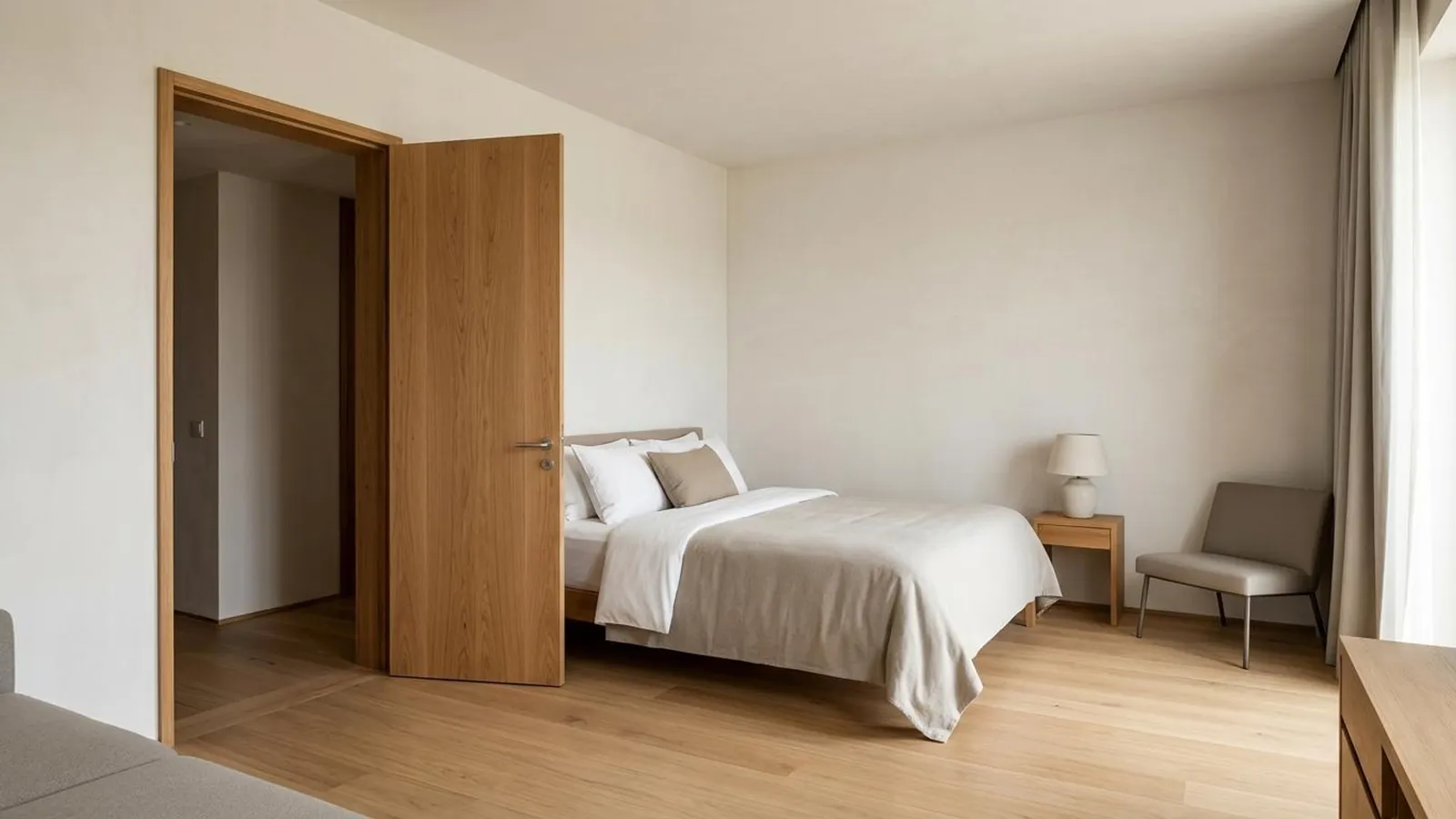
An “accessible” search filter is a starting point. It does not tell you whether the room, bathroom, route and services will meet your particular needs.
Begin with what you need to do during the stay, then ask about the features that make those activities possible. This is a planning guide, not an assessment that a hotel complies with disability law or a medical judgement about what is suitable for you.
Describe the task, then ask about the feature
Instead of asking only whether a room is accessible, explain the relevant requirement. You might need a step-free route from the entrance to the room, a particular bathroom arrangement or information in a format you can use.
Ask for dimensions or a clear description where they affect your decision. A photograph can add context but may omit the threshold, the space beside a bed or the route from the lift.
It usually helps to share only what is needed to explain the requirement: describe what the room or route has to let you do, rather than medical details. If you use equipment or assistance, identify the practical space or service questions it creates.
Follow the whole route
The room is one part of the stay. Consider arrival, reception, lifts, the route to breakfast and any facilities you intend to use. Ask about works or temporary changes that could affect those routes during your dates.
For sensory needs, the useful questions may concern alarms, communication, lighting or assistance with written information. The US Department of Justice provides lodging guidance focused on guests who are blind or have low vision, illustrating why access is broader than a single room label. DOJ lodging guidance.
Use current property information for the specific stay. An older review describes someone else’s visit, not necessarily the arrangement available now.
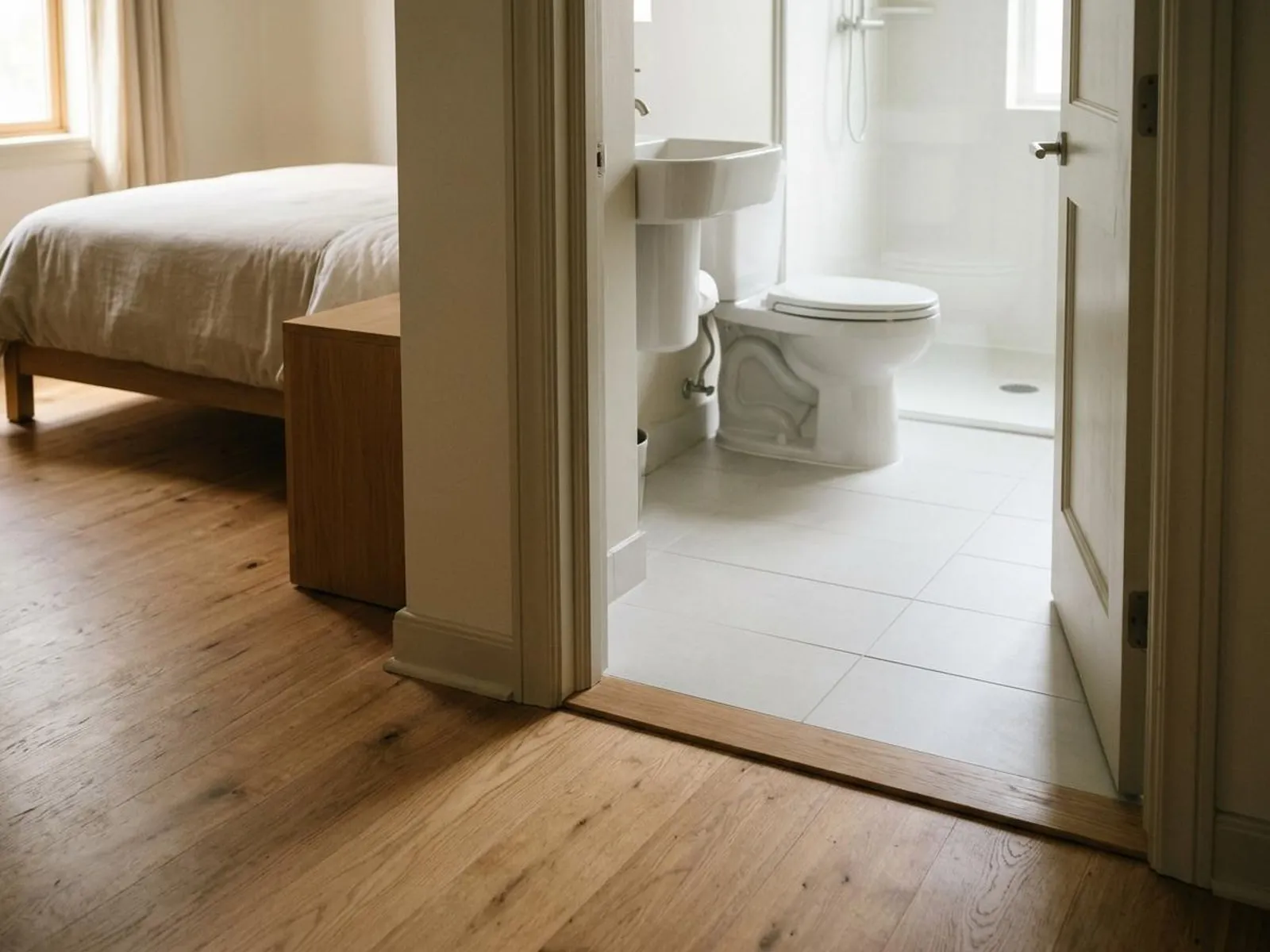
Establish what the reservation actually confirms
Keep a written record of the room type and essential features confirmed for your booking. If the response is vague, ask for clarification before relying on it.
Do not treat essential access features as an ordinary room preference. For US lodging covered by the rule, DOJ’s reservation provisions require the hotel to let guests book accessible rooms during the same hours and in the same manner as other rooms. It must also describe accessible features in enough detail for guests to judge independently whether the hotel or room meets their needs.
Accessible rooms must be held for individuals with disabilities until all other guest rooms of that type have been rented. On request, it must reserve the accessible room, block it in all its reservation systems and hold that specific room for the guest; it may ask for the same deposit it asks of other guests. Those holding duties don’t apply to individual units that the operator of the overall property doesn’t own or substantially control, as in some timeshares and condo-hotels. The description duties still apply to those units. DOJ reservation provisions, § 36.302(e).
Ask what your confirmation records about the accessible room and its essential features. DOJ’s guidance notes that most bookings reserve a type of room rather than a particular one, but an accessible room reserved on request must be blocked as that specific room. The practical question is which access features have been secured, rather than asking for a room number. A generic “request noted” response is a reason to clarify what has actually been reserved. If you book through a third-party site, confirm the accessible room directly with the property: DOJ applies these reservation duties to the hotel, not directly to the booking site. The federal Title III lodging definition excludes a facility with no more than five rooms for rent where the proprietor lives; this is not a general exemption from every accessibility law. These US provisions should not be assumed to apply to a hotel abroad; check the destination’s rules separately.
This guide does not interpret a particular dispute or promise an outcome. If a requirement is essential and remains unresolved, seek an authoritative answer before paying rather than relying on a general travel article.
Keep a short arrival plan
Record who confirmed the arrangement, what was confirmed and how to contact the property if something differs on arrival. Consider a realistic alternative where you can, without treating a fallback as a substitute for the booking you need.
HotelHacker’s room-selection guide covers other room details. TravelTutor’s first-hotel guide helps read the rate and confirmation alongside the access questions.
The aim is an answer precise enough to support your decision, not another reassuring label.