A London hotel: choose the location around your real journeys
Compare Paddington, King's Cross and South Bank against your airport arrival, daily plans and onward train before choosing a London hotel.

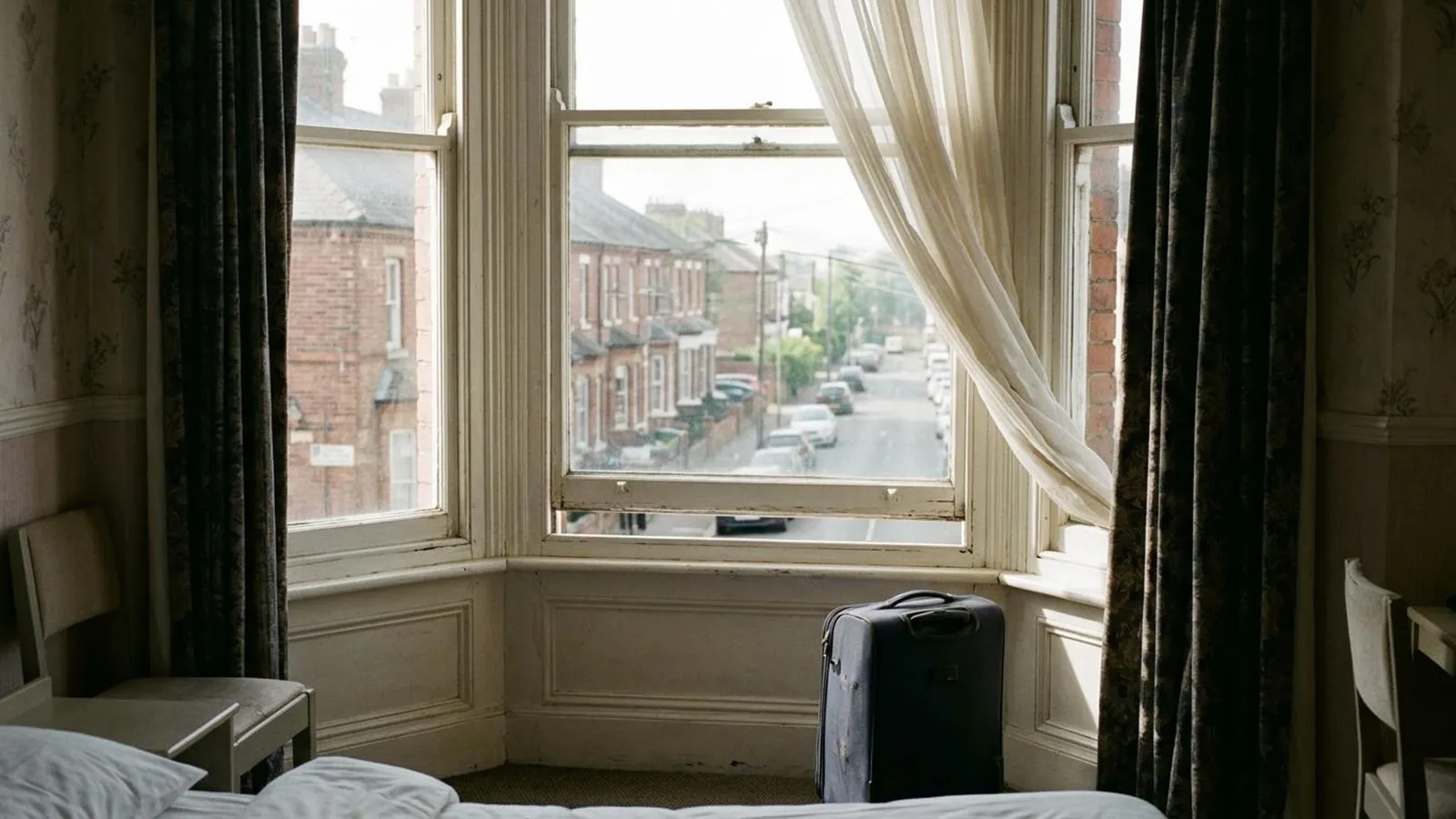
You land at Heathrow, spend four nights in London and then take a train from St Pancras. A hotel search centered on the airport transfer may point you toward one area; a search centered on the last morning may point somewhere else. Neither includes the days between them.
Start with three maps on the same screen: the arrival route, the places you want to visit and the onward departure point. That makes “convenient” a description of your trip rather than a hotel search label.
The four-night trip below is invented. The London locations and transport connections come from official maps and visitor information checked November 15, 2026. No hotel has been inspected or ranked.
Paddington is an arrival option, not the end of the search
TfL’s Elizabeth line map, checked November 15, 2026, shows Heathrow connections into Paddington and onward through Bond Street, Tottenham Court Road and Farringdon. Paddington is therefore one possible city endpoint, not a compulsory place to get off simply because the airport journey passes through it.
That distinction changes a hotel shortlist. If your proposed stay is nearer Tottenham Court Road, compare the actual train service and final walk before adding a change at Paddington. If it is nearer Paddington, inspect the exact station entrance and hotel address rather than treating the whole neighborhood as one doorstep.
The same map warns that services and platforms differ. A line on a diagram is not confirmation that the train, interchange or street exit you need will be available on your dates. Keep the chosen service and the hotel route together in your notes.
King’s Cross and St Pancras solve a different problem
A hotel in the King’s Cross area may be useful when the onward train is the trip’s fixed constraint. But the names King’s Cross, St Pancras International and King’s Cross St Pancras Underground describe different parts of the journey. Check the departure station and operator’s actual instructions, then inspect the route from the hotel entrance.
Visit London’s King’s Cross guide, checked November 15, 2026, identifies the Underground interchange’s Circle, Hammersmith & City, Metropolitan, Northern, Piccadilly and Victoria connections. It also places the British Library on Euston Road within its area guide. Those are useful starting points for someone whose London plans include reading, exhibitions and an onward train, not proof that every hotel using “King’s Cross” in its name is equally convenient.
In the invented four-night trip, an early onward departure could make this area worth comparing with the airport-arrival shortlist. The pre-train hotel guide covers the narrower decision if you only need a final night near the departure.
South Bank makes sense when the river is part of the stay
Visit London’s South Bank and Waterloo guide, checked November 15, 2026, places this district on the south side of the Thames and highlights the Southbank Centre, Old Vic and London Eye. It identifies Waterloo’s Jubilee, Northern, Bakerloo and Waterloo & City connections.
If those riverside days and an evening performance are your priorities, compare hotels around the places you will actually use. An arrival journey involving a change may be acceptable if it puts your ordinary days where you want them.
Do not extend that reasoning into an accessibility claim. A riverside area, a station and an individual hotel’s entrance are different environments. Check the specific pavement, crossing, station access and building arrangements needed by your party.
Compare three search areas against the same four nights
Suppose the invented plan includes one South Bank day, two West End evenings, time at the British Library and the train from St Pancras. There is no single “central hotel” that settles all four.
| Search area | Why it deserves a look | What the location alone doesn’t settle |
|---|---|---|
| Around Paddington | An Elizabeth line arrival and a practical route from that station | The return from your evening plans and the onward train journey |
| King’s Cross/St Pancras area | The departure station and plans around Euston Road | The exact hotel-to-platform route and other daily journeys |
| South Bank/Waterloo area | River-based days and the cultural venues you plan to use | Arrival with luggage and the move to St Pancras |
These are search areas, not recommendations for unnamed hotels. Run the three actual routes for every shortlisted address: arrival with bags, the latest expected evening return and departure with bags. The route you repeat can matter more than the one you make once.
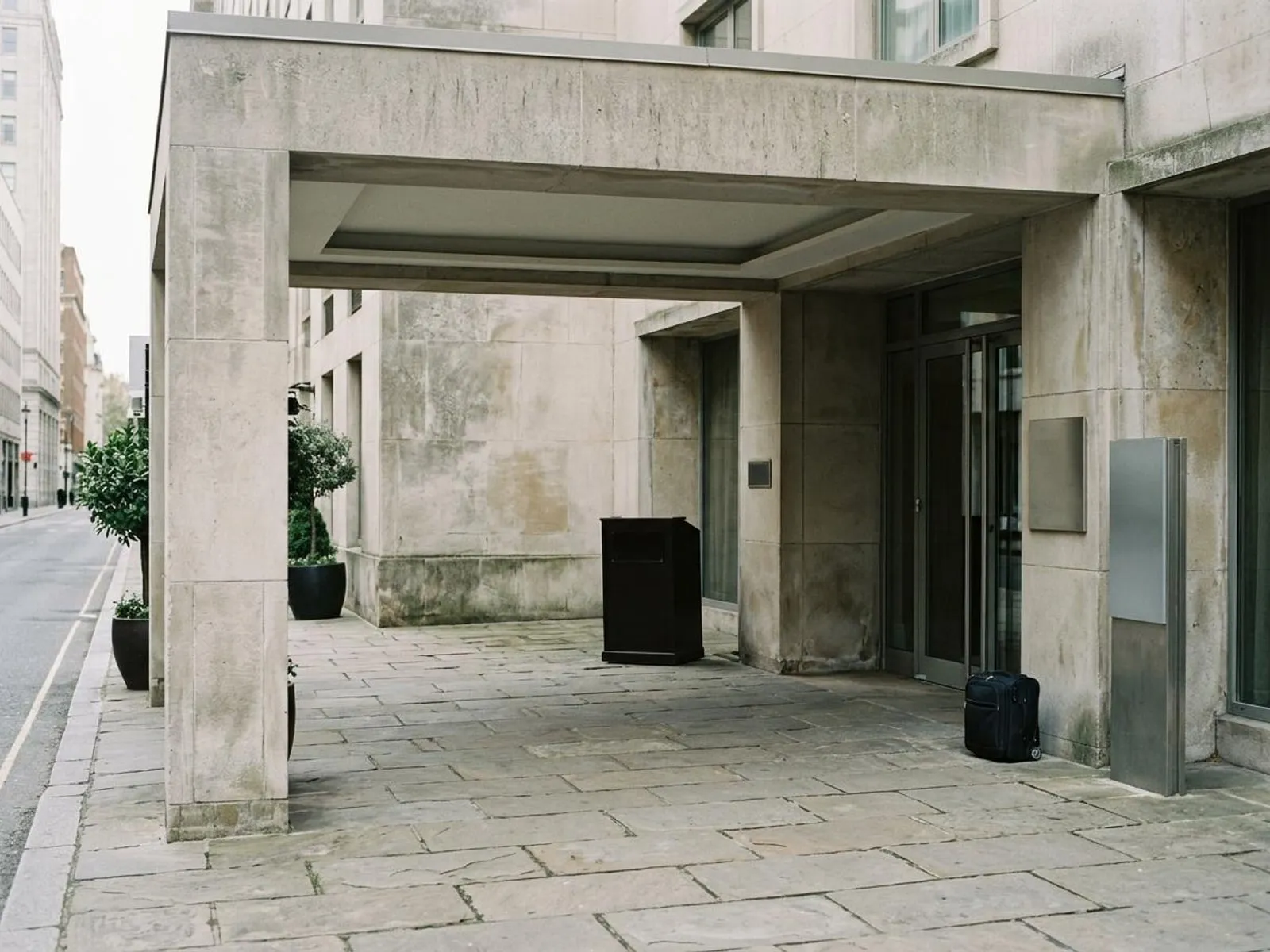
Look past the station symbol
Before paying, find the hotel’s street entrance and the station exit you would use. Then check whether they join up as expected. The shortest line on a map may not be the route you can take with a suitcase or mobility aid.
TfL’s map page, checked November 15, 2026, provides separate day, night and step-free resources. Use the appropriate one with current journey information. “Near a Tube station” doesn’t establish an all-night connection, a working elevator or a step-free path from train to room.
Ask the hotel about the accommodation questions the transport map cannot answer: reception at your arrival time, the booked room’s bedding, luggage storage and any entrance restrictions. The room-description guide helps keep a suitable location from distracting you from an unsuitable room.
Decide whether changing hotels earns its disruption
Moving to a station-area hotel for the last night can simplify one departure. It also creates packing, checkout, luggage handling and another check-in. Compare that with staying in one hotel and making one planned departure journey.
For a four-night visit, avoid treating the move as free just because you can use points for the second room. Record the two stays’ cancellation conditions and any transfer costs. A benefit such as breakfast matters only if it is included in your booking and served when you can use it.
Use the fee-checking guide to compare complete offers once the locations work. The location shortlist and the room-rate comparison answer different questions.
Explore London around your base
The London place page on Bucketlist brings together experiences that can help shape the days between arrival and departure. For example, spending a museum visit with one painting gives a day a purpose without requiring a packed schedule. Choose a few reasons to be in London, then test the hotel against those plans.
Airline Ace’s Heathrow-to-London guide can help with the airport end of the location choice. If Paris is also in the plan, Travel Tutor compares one city with a two-city trip.
Common questions
Should I stay at Paddington after arriving at Heathrow? It is one candidate. The Elizabeth line also serves other central stations, so compare the actual address and service with your plans.
Does “King’s Cross hotel” mean it is at my train’s entrance? No. Verify the address, departure station and walking route. A district name is not an entrance description.
Is a hotel nearer the river automatically better for sightseeing? It depends on your own days and evenings. Match the location to the places you intend to use rather than a universal ranking.
Sources checked November 15, 2026: TfL’s Elizabeth line map and Tube map resources; Visit London’s King’s Cross and South Bank/Waterloo guides. The four-night itinerary is invented; no fares, opening hours or hotel facilities are asserted.